

Running a clothing retail store, boutique or fashion showroom means paying attention to every small detail that shapes customers’ shopping experience. Many store operators focus heavily on garment selection, store decoration and lighting, yet overlook one critical accessory: hangers. The hangers you use directly affect product display effect, customer perception of brand grade, operating cost and long‑term usage durability. When sourcing store display supplies, most buyers face a core dilemma: metal, wooden or plastic hangers, which option delivers the best value for your retail business? This article breaks down material features, application scenarios, pros & cons, key selection tips and frequently‑asked questions to help retailers make informed purchasing decisions, and also touches on stylish clothing storage and eco‑friendly racks concepts for modern retail space design.
Material Science & Core Feature Comparison
Wooden hangers belong to typical eco‑friendly racks series. High‑quality wooden hangers are made from solid hardwood with strict drying treatment, completed with non‑toxic water‑based paint finishing. Natural wood grain brings warm, high‑end visual texture. Many models add foam anti‑slip shoulder pads to prevent knitwear, silk and tailored suits from slipping or developing ugly shoulder bumps. Rotatable metal hooks support flexible display adjustment. As part of stylish clothing storage solutions, wooden hangers are widely matched with wooden clothes rack display systems. For small‑item organization in fitting rooms, auxiliary units like wooden socks rack can be configured to hold socks, ties and accessories. Their main drawbacks are higher unit cost and extra attention needed to avoid long‑term damp environments.
Metal hangers feature lightweight structure, high hardness and strong loading capacity. Electroplated metal surfaces resist rust under normal indoor conditions. Thin‑bodied metal hangers save closet space, which is ideal for dense display racks. However, bare sharp metal edges may leave sharp shoulder marks on high‑grade coats and suits. Low‑cost thin metal styles are easy to deform under heavy weight. Metal hangers work well for fast‑fashion stores with large‑volume display demand, but less suitable for luxury suit and high‑end garment boutiques.
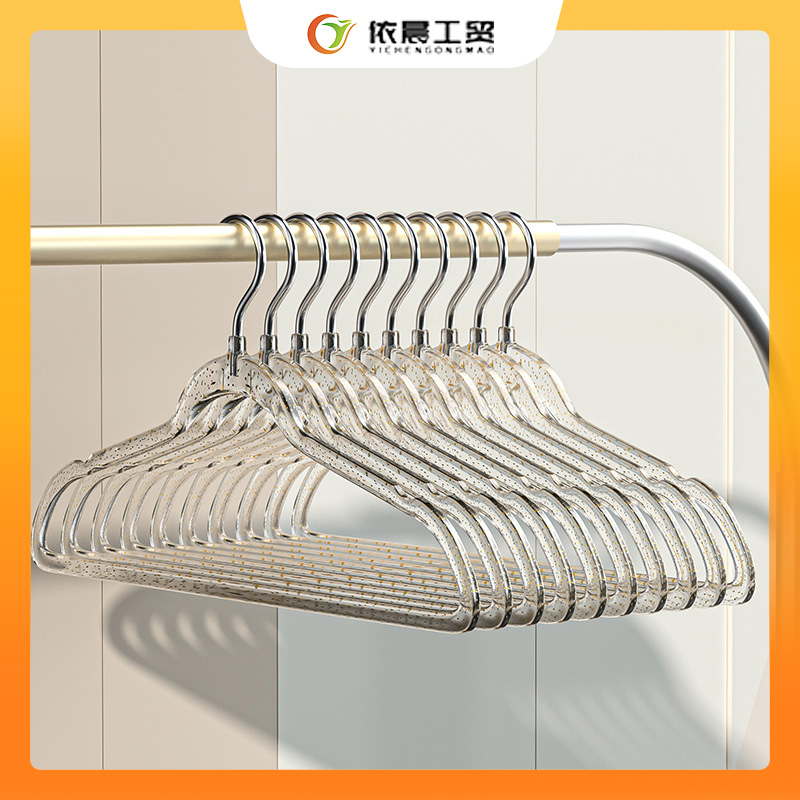
Plastic hangers are the most cost‑effective option on the market. They come in diverse colors and styles, lightweight and resistant to moisture. But ordinary plastic hangers have obvious disadvantages: low‑grade plastic will age, turn brittle and break after long‑term use. Thin plastic structures cannot bear heavy overcoats and thick suits. Their plain appearance fails to elevate brand perception, so they are mostly used for discount stores, temporary pop‑up shops and simple‑function fitting rooms.
Real‑world Store Application Cases
Case 1: High‑end suit & formal‑wear boutique. This store selects solid wooden hangers with foam non‑slip shoulders, paired with wooden clothes rack display units. The natural wood texture sets off suit fabric, greatly improving customers’ sense of brand value. They also add wooden socks rack inside fitting rooms for customer accessories storage. As eco‑friendly racks, wooden hangers match the store’s high‑end positioning perfectly.
Case 2: Fast‑fashion chain retail outlet. The store chooses thickened metal hangers. Large quantities of garments are densely arranged on display racks. Metal hangers save display space and cut comprehensive procurement costs, meeting high‑flow fast‑fashion display requirements.
Case 3: Discount clothing store. The shop adopts heavy‑duty plastic hangers. Large‑volume purchasing keeps unit expenditure low. They accept the short service life of plastic products and replace hangers on a regular cycle.
Case 4: Multi‑brand integrated boutique. Mixed‑material solution is adopted. Wooden hangers are used for suits, coats and high‑knit luxury items; metal hangers are applied for T‑shirts and casual lightweight apparel. This mixed‑mode balances display grade and overall operating expenses, realizing stylish clothing storage for the whole store.
Common FAQs for Retail Buyers
Q: Which hanger type gives the best return on investment for long‑term store operation?
A: If you run mid‑to‑high‑end stores, wooden hangers (eco‑friendly racks) have longer service life and better brand‑building effect, bringing higher comprehensive return. For fast‑fashion stores with frequent‑update goods, metal hangers are a balanced choice. Plastic hangers fit short‑term use and low‑budget projects.
Q: Will wooden hangers easily crack in retail environment?
A: Qualified wooden hangers go through strict moisture‑control drying process. Keep away from long‑term high‑humidity fitting‑room environment, and they can serve for years.
Q: What hanger should I pick to avoid garment shoulder bulges?
A: Wide‑shoulder wooden hangers with foam padding perform best. Thin metal and cheap plastic hangers tend to create sharp shoulder indentations on clothing.
Q: Can I mix different hanger materials inside one store?
A: Yes. Many retailers apply classified collocation. Uniform hanger style for same‑area display is suggested to maintain stylish clothing storage visual consistency.
Final tips for store purchasing: Do not only focus on unit price. Combine your store brand positioning, main‑selling garment types, daily customer flow and long‑term replacement cost to make your final decision. The right hangers will protect your garments, beautify store layout and subtly enhance customers’ shopping willingness.